
All About Pus in the Ear: Causes, Treatment Methods and Prevention
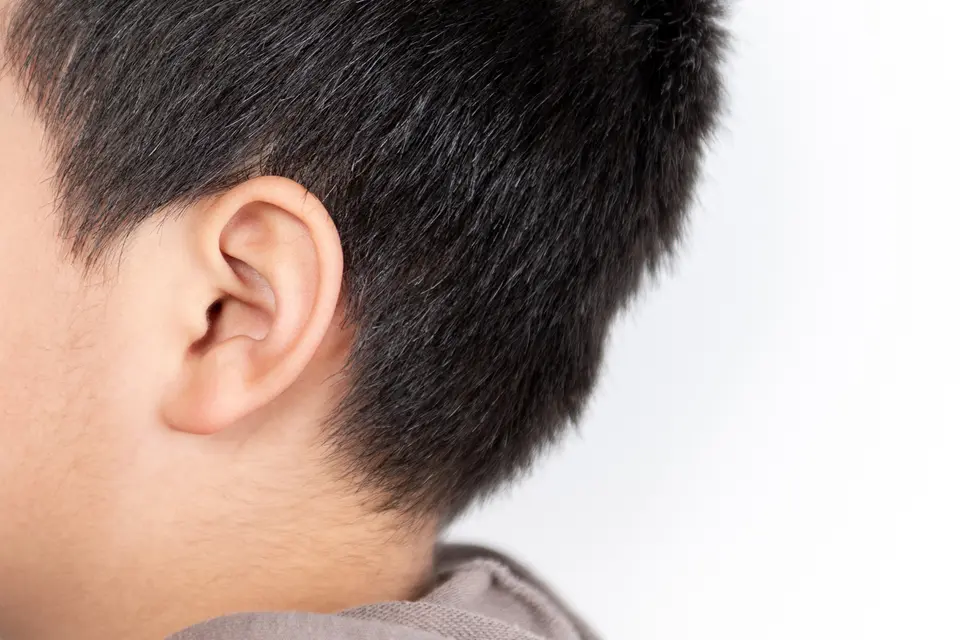
Pus in the ear may appear as yellowish or greenish fluid, sometimes accompanied by a foul smell. Additional symptoms could include ear pain, swelling, fever, or hearing loss. Identifying the cause of pus in the ear is essential to avoiding potential complications.
This article will cover the causes, treatment methods, prevention tips, and frequently asked questions to help you understand this condition.
Causes of Pus in the Ear
Pus in the ear often results from infections, making it more common in babies, toddlers and children. Below are a few key causes:
Middle ear infection
A middle ear infection occurs when fluid builds up behind the eardrum, often due to a cold or respiratory infection. The trapped fluid creates an ideal environment for bacteria or viruses to grow, leading to infection. Apart from pus, some related symptoms are ear pain, fever, difficulty hearing and irritability.
External ear infection
An external ear infection is also known as swimmer’s ear or otitis externa. This form of infection happens when water becomes trapped in the ear canal, creating an environment for bacteria or fungi to grow. Other symptoms of otitis externa are fullness in the ear, ear pain, hearing loss, redness and swelling.
Foreign objects stuck in the ear canal
Children sometimes insert small objects, such as beads, food or small toys, into their ears. These objects can irritate or scratch the ear canal, leading to inflammation. If not removed promptly, the situation can worsen, causing pus to accumulate due to bacterial growth.
If objects are stuck in the ear canal, you may also experience ear pain, a sensation of fullness in the ear, and muffled hearing.
Cholesteatoma
A cholesteatoma is an abnormal, non-cancerous growth of skin cells in the middle ear and mastoid bone. It typically results from repeated middle ear infections or chronic Eustachian tube dysfunction. The prolonged inflammation leads to pus forming in the ear.
Ruptured eardrum
A ruptured eardrum can result from trauma (e.g., inserting objects into the ear), barotrauma (sudden air pressure changes), or infections causing pressure buildup. A rupture allows pus to drain, relieving pressure but increasing the risk of infection. Accompanying symptoms of pus drainage include ear pain, hearing loss and tinnitus.
How Long Does It Take for an Ear Abscess to Heal?
An ear abscess is a pocket of pus found in the ear. The healing time for an ear abscess depends on the cause. Many cases resolve on their own within a few days, but severe cases may take longer or require medical intervention. Ensuring proper treatment helps prevent prolonged discomfort and complications.
How to Treat Pus in the Ear
If the condition worsens or fails to recover naturally, a doctor may prescribe treatment. This section will cover two possible treatment methods that may be medically recommended to manage pus in the ear.
Medication
Pain and fever often accompany pus in the ear, especially in cases of infection. Doctors may prescribe pain relievers and fever-reducing medications to alleviate discomfort and reduce inflammation.
Antibiotic ear drops
Antibiotic ear drops are prescribed when the pus is caused by bacterial infections, such as middle ear infections or external ear infections. To ensure the antibiotics work effectively, a doctor may clean the ear to remove pus, debris or wax buildup before applying the antibiotics. Such an approach allows the medication to penetrate the skin and target the infection directly.
Preventing Pus in the Ear
Pus in the ear is often a sign of an infection, and preventing it requires maintaining good ear hygiene. Here are some habits that can help you avoid pus buildup:
- Use earplugs when necessary: Consider wearing earplugs during swimming or when exposed to loud noises.
- Dry your ears after water activities: Use a towel or a soft cloth to gently dry your ears after swimming or showering to absorb remaining moisture.
- Avoid sticking objects in your ear: Refrain from inserting objects like cotton swabs or ear picks into your ear canal, as this can push bacteria and earwax deeper, causing irritation or injury.
- Keep your ears clean: Clean your outer ear with a damp cloth, but avoid inserting anything into the ear canal.
FAQs About Pus in the Ear
If you notice any of the following symptoms, it’s important to see a doctor:
- Severe and worsening pain in the ear
- A high fever
- Hearing loss or a feeling of fullness in the ear
- Tinnitus
- Blood mixed with pus in the ear discharge
- Unexplained swelling around the ear
These symptoms may indicate a more serious underlying condition, and receiving prompt medical attention will prevent any unwanted complications from occurring.

Azren is inspired by her grandfather who suffered from hearing loss. Being the sole person to assist him in seeking treatment, this experience led her to discover the field of audiology. She decided to pursue a degree in the subject when applying for university the following year.
Nur Azren Binti Azhar
Clinical Audiologist
Schedule a Free Hearing Test
Required fields are marked.