

Tinnitus Management
Tinnitus is characterised by persistent humming, ringing or buzzing sounds in your ear. These sounds can make it challenging to concentrate, leading to frustration, fatigue and even feelings of anxiety or depression. In severe cases, tinnitus can have a detrimental impact on your daily life.
Discover more about tinnitus below and explore how we can help you effectively manage it.
What is Tinnitus?
Sounds such as humming, buzzing or ringing in either one or both ears without external noise are known as tinnitus. These sounds may come and go or persist continuously, with fluctuations in intensity. They typically persist for more than 5 minutes and are experienced at least twice a week.
Common Causes of Tinnitus
The causes of tinnitus can vary depending on whether it is subjective or objective tinnitus. Exposure to loud sounds is the most common cause and can exacerbate existing hearing loss or tinnitus. Find the causes of each type of tinnitus below.
Subjective tinnitus
Subjective tinnitus, the more common of the two forms, is only audible to the person experiencing it.
Causes of subjective tinnitus:
- Excessive exposure to loud noises (e.g. from concerts, construction work, gunfire)
- Damage to the ears (e.g. ruptured eardrum)
- Ear infections
- Emotional distress and anxiety
- Hearing loss
- Natural ageing process
Objective tinnitus
Objective tinnitus can be heard and identified externally. Those who experience this form of tinnitus may hear pulsing noises that are in rhythm with their blood flow or pulse near the ear tissue.
Causes of objective tinnitus:
- Benign intracranial hypertension
- Contraction of the carotid artery
- Tension or injuries to the head or neck
- Jaw joint misalignment
- Medical conditions (e.g. Meniere’s disease, circulatory disorders, diabetes, overactive thyroid)
- Twitching in the ear muscles
Tinnitus Treatment and Management
While tinnitus currently has no known cure, Hearing Partners can assist you in managing your tinnitus symptoms through hearing aids.
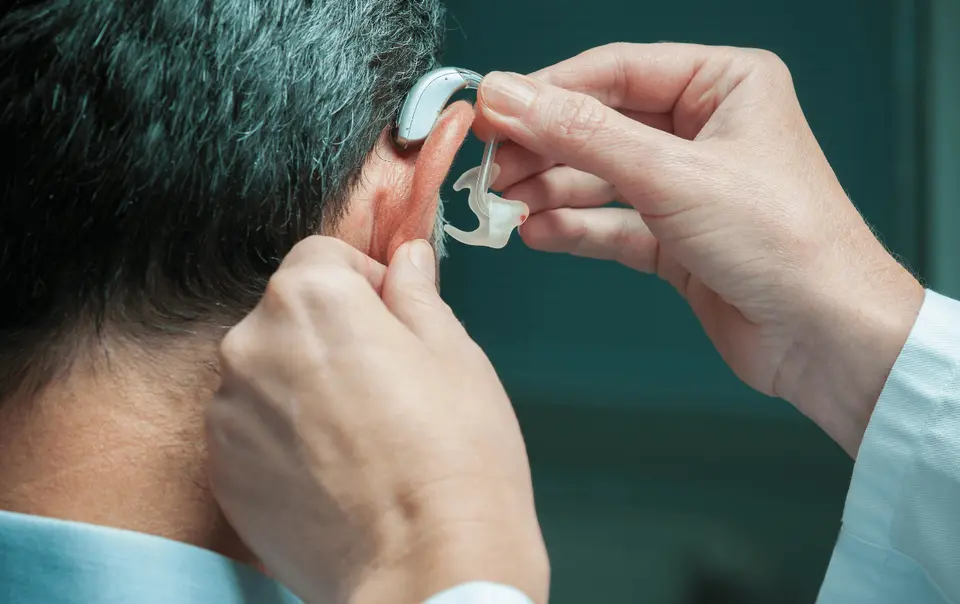
Hearing aids
Oticon hearing aids incorporate Tinnitus Sound Support™ to provide a complete solution for managing tinnitus. It comes with a wide range of relief sounds that can be easily adjusted using the Oticon Companion App, which is available for both iPhone and Android devices.
These hearing aids also allow for wireless streaming of tinnitus relief options such as music, audiobooks, podcasts and relaxation guides, giving you more ways to alleviate the effects of tinnitus on your daily life.
Why Choose Hearing Partners?
Knowledgeable hearing care professionals
Convenient hearing centres
Extensive range of hearing solutions
Customer Reviews



FAQs About Tinnitus
Over-the-counter medicines and natural remedies are ineffective in treating tinnitus. Prescribed medications for tinnitus typically target issues like depression, anxiety and sleep problems, while some aid in enhancing mental alertness to reduce the effects of tinnitus.
If you are experiencing tinnitus, book an appointment with our audiologists for a thorough evaluation of your condition and personalised treatment recommendations.
You should see an audiologist if you are experiencing any of these symptoms:
- Ringing in the ear(s) for more than a week
- Poor sleep, inability to concentrate or anxiety resulting from the tinnitus
- Pain, discharge and/or persistent blockage in the ear
- Dizziness
- Tinnitus only in one ear
While tinnitus is not often harmful to your health, it can significantly impact your overall well-being in severe cases. If tinnitus affects your daily life, book an appointment to speak to our audiologists.
Note: It is crucial to seek immediate medical attention if you experience pain, ear drainage or dizziness alongside the noise, as these symptoms may indicate an underlying neurological issue.
For mild cases, it may be safe to leave your tinnitus untreated. On the other hand, if you experience accompanying symptoms like difficulty sleeping, fatigue, headaches, poorer memory and feelings of anxiety and irritability in addition to the persistent sounds in your ears, it may be beneficial to seek treatment for your tinnitus.
Untreated tinnitus, in severe cases, can significantly and negatively impact your overall well-being. Seeking proper medical care, receiving effective treatment and having a support system in place can greatly increase your chances of achieving long-term recovery and improve your overall quality of life.
Schedule a Free Hearing Test
Required fields are marked.